the project
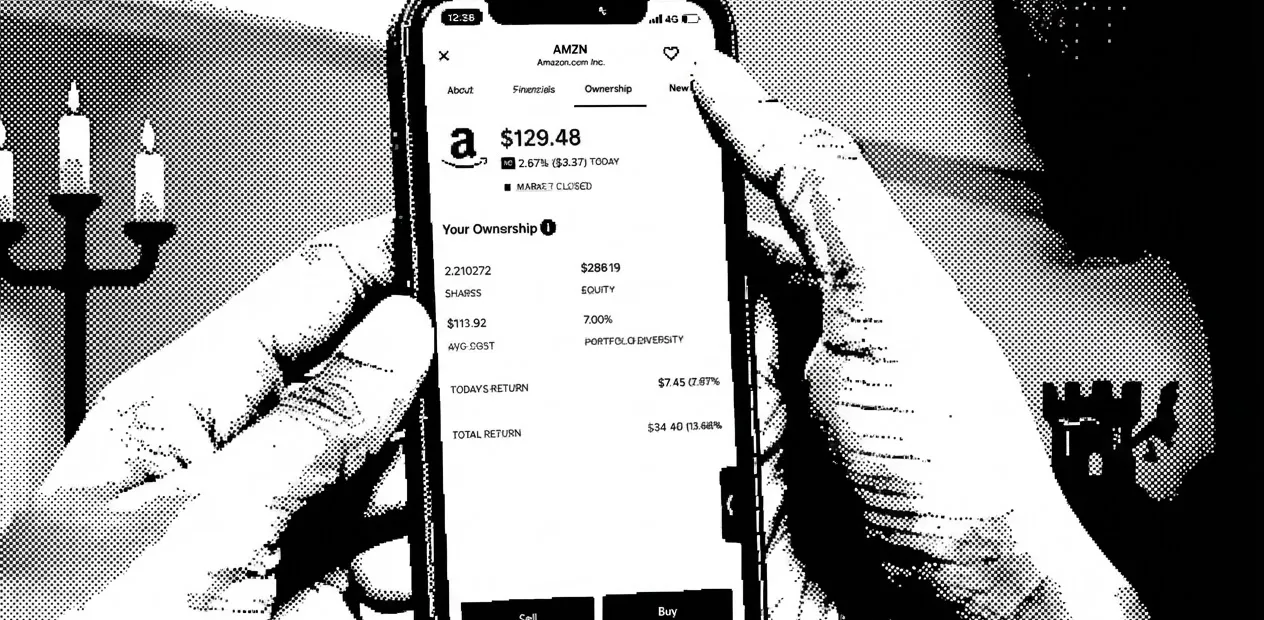
When I joined Juicyway in August 2021 the company was two months old, had five people, and was going to be an ecommerce app.
By the time I ended my collaboration two and a half years later it had cycled through several identities:
- the original ecommerce app
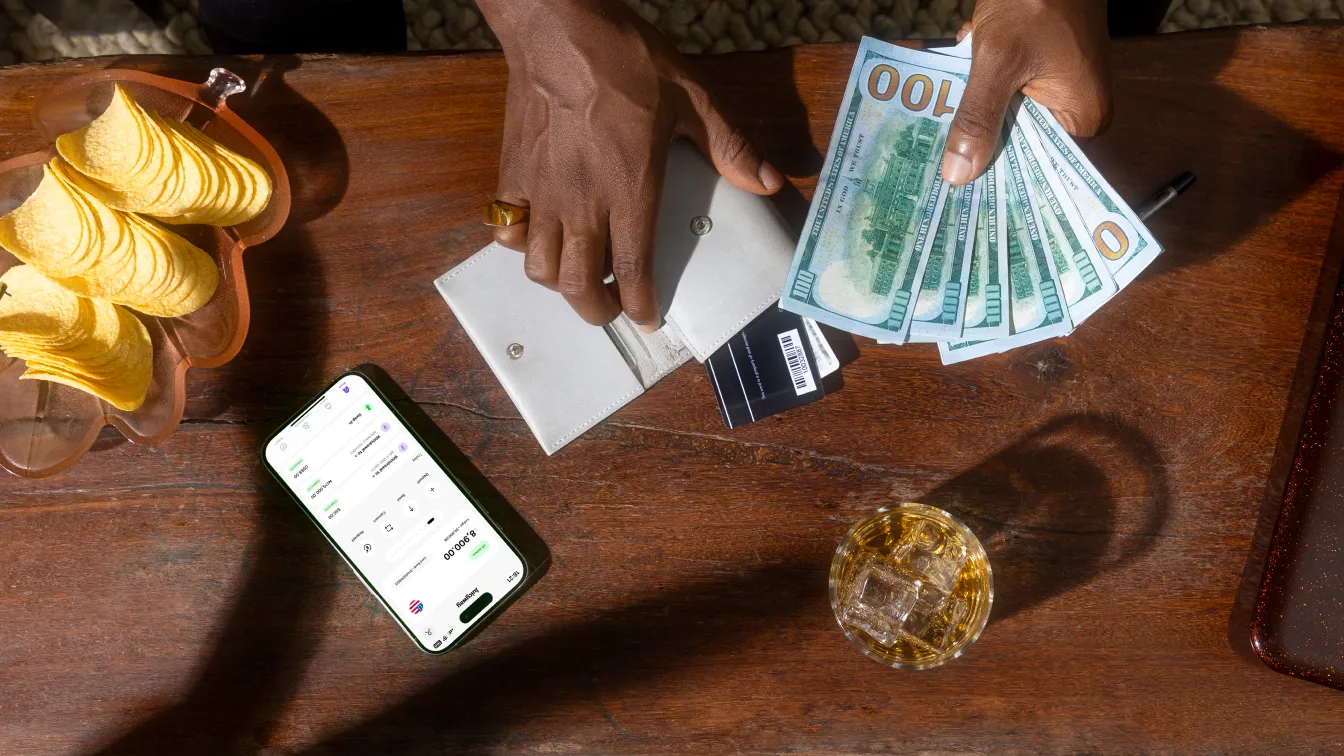
- a delivery product covering the things you can’t buy in ecommerce (food, medicines, everyday errands)
- a digital payment card
- and cash-backed lending topped up on that card.
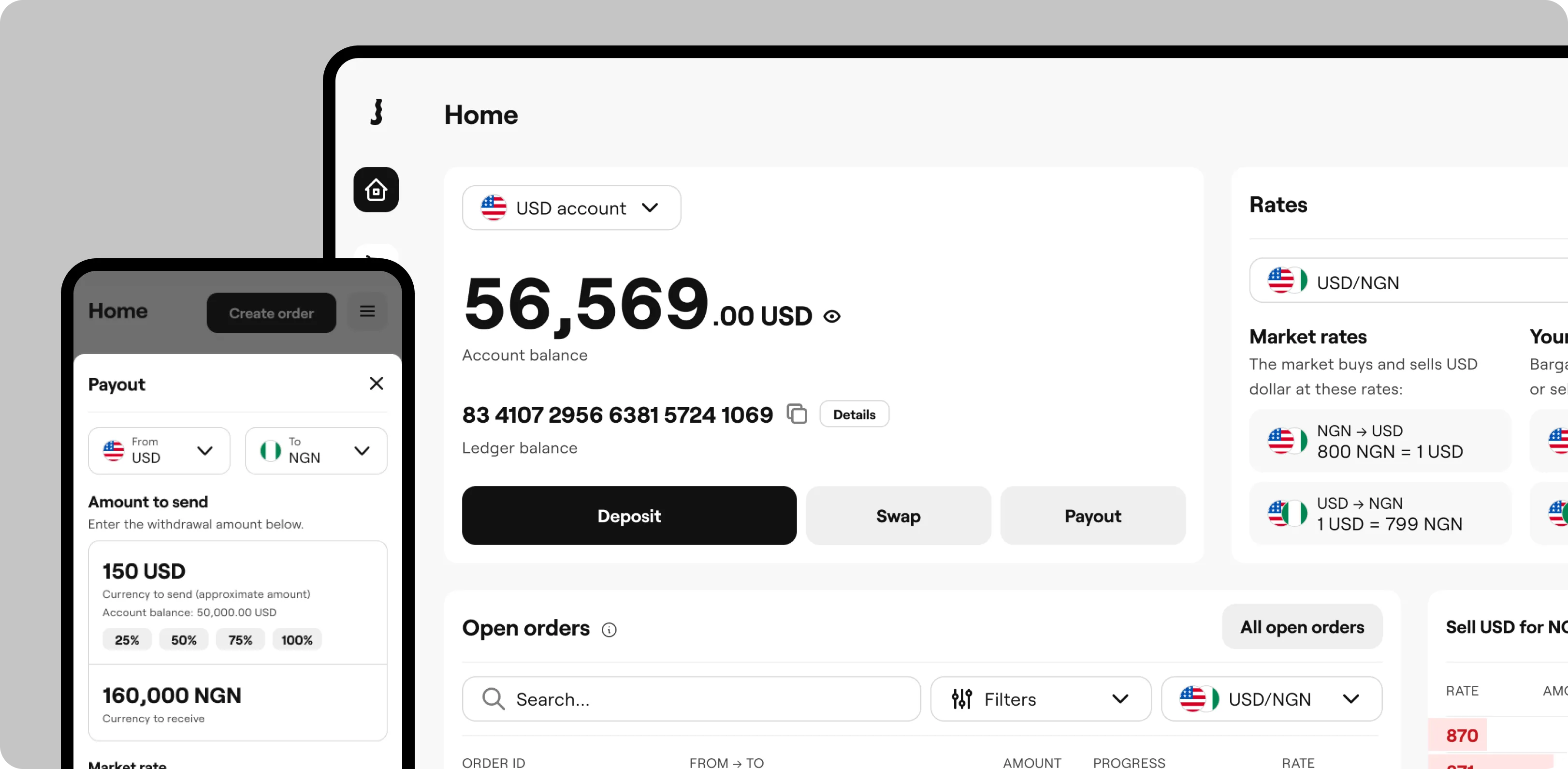
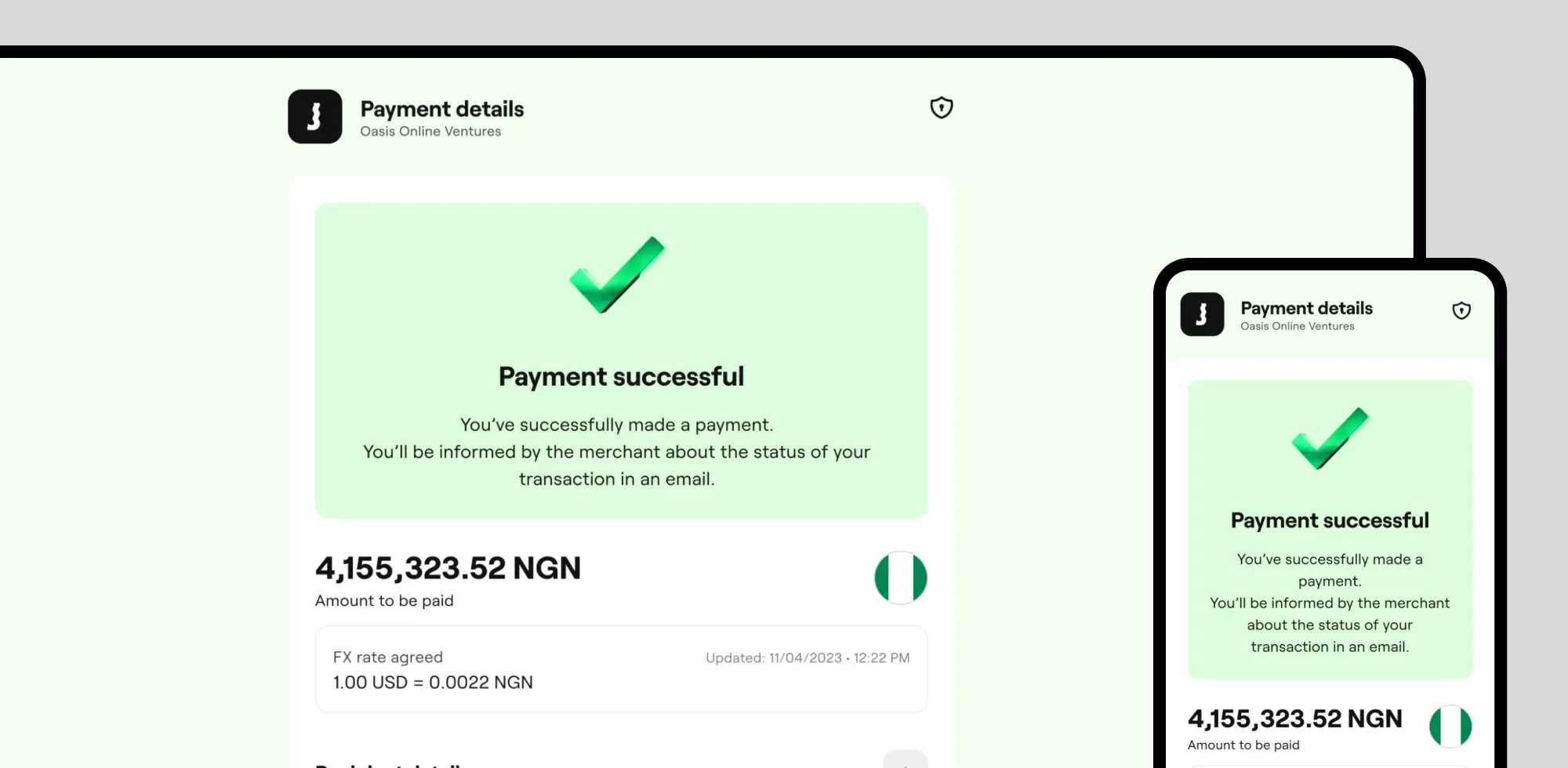
It landed as a multi-currency money platform for businesses, now trading as Juicyway. I was there through all of it, as the sole designer at first and later as art director over the small brand and motion team we hired as the company grew.
The through-line was the design foundation itself: a system of colours, typography, iconography, imagery tiers, and components that carried across every pivot, along with a consistent way that flows opened and interactions worked. A user who’d used one version of the product could pick up the next without relearning the basic mechanics.

my role
Joining as the fifth team member meant the design job was everything until it wasn’t. Product patterns, UI, the visual system, the design system, the file structures other designers eventually inherited, all of it.
I sat in on backend standups asking questions, and my product decisions in turn shaped what backend was working on. It was the kind of role where “hand off and disappear” wasn’t an option. The whole company was one small room and you were in every conversation.
As the team grew we hired brand designers and a motion designer. I moved into an art-director role over that team, setting direction on how work should look and behave, curating output, and keeping visual and interaction language coherent even while the brand identity itself was still evolving.
The final voice-and-tone and brand-identity calls stayed with the CEO. I gave feedback on direction, and the connective tissue between his vision and what the product actually shipped was mostly my job.
the problem
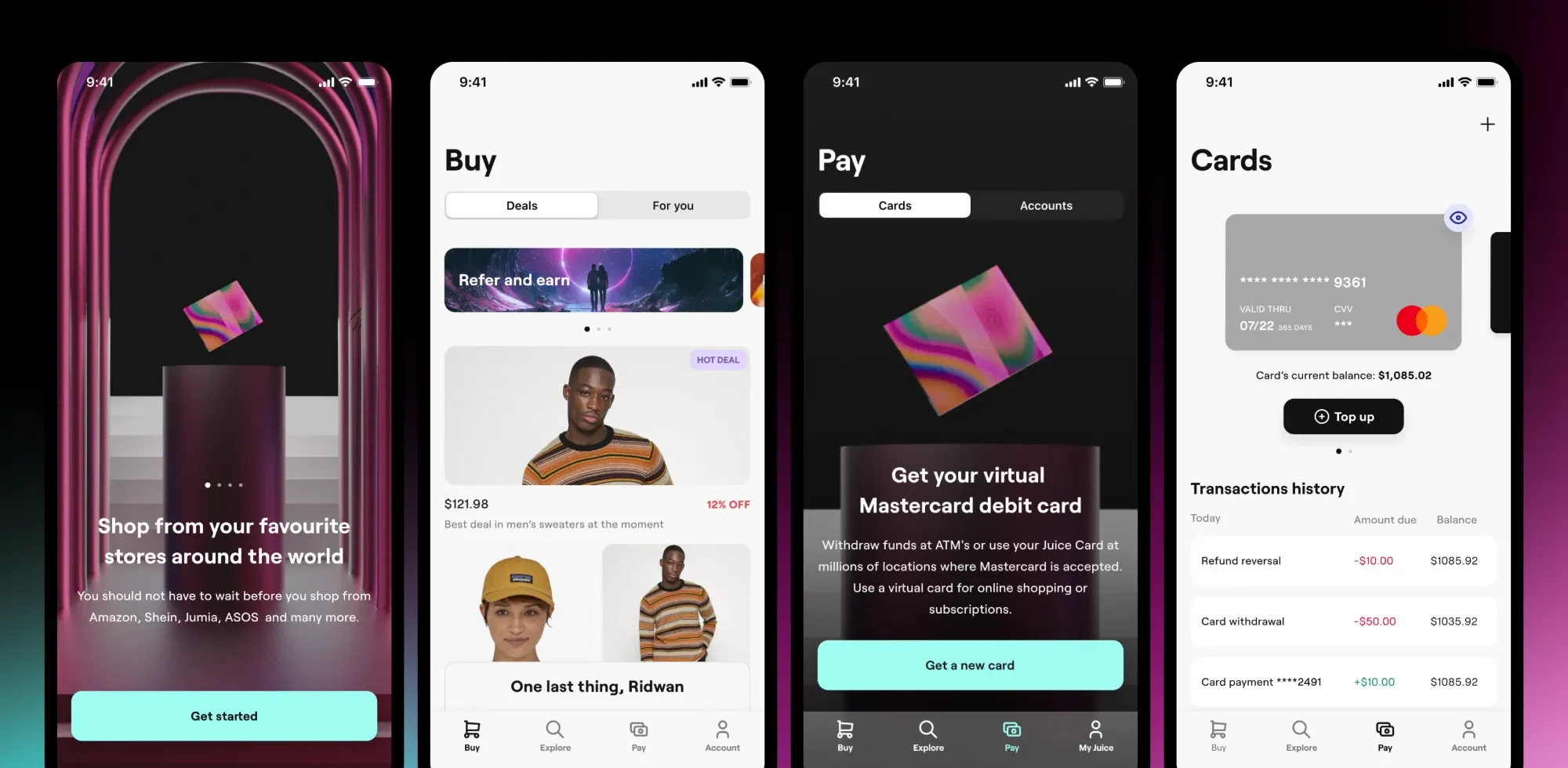
Every pivot had its own visible business problem: ecommerce reach, delivery UX, lending flows, multi-currency operations for businesses. Each one produced its own design work.
The bigger design problem sat underneath. How do you keep something coherent when the company is still figuring out what it is? Every pivot could have started design from scratch. That path burns time, confuses returning users, and dilutes whatever early product and brand equity exists.
The alternative is to build a foundation that bends with the strategy, a system where the components, patterns, and visual language stay stable enough to move fast while the product on top changes what it is.
That’s what I chose. Not because it was the more comfortable path, since it took more discipline early on, but because I wanted the design to stop being the thing that had to be re-thought every time the business shifted.
the work
the design system as the constant
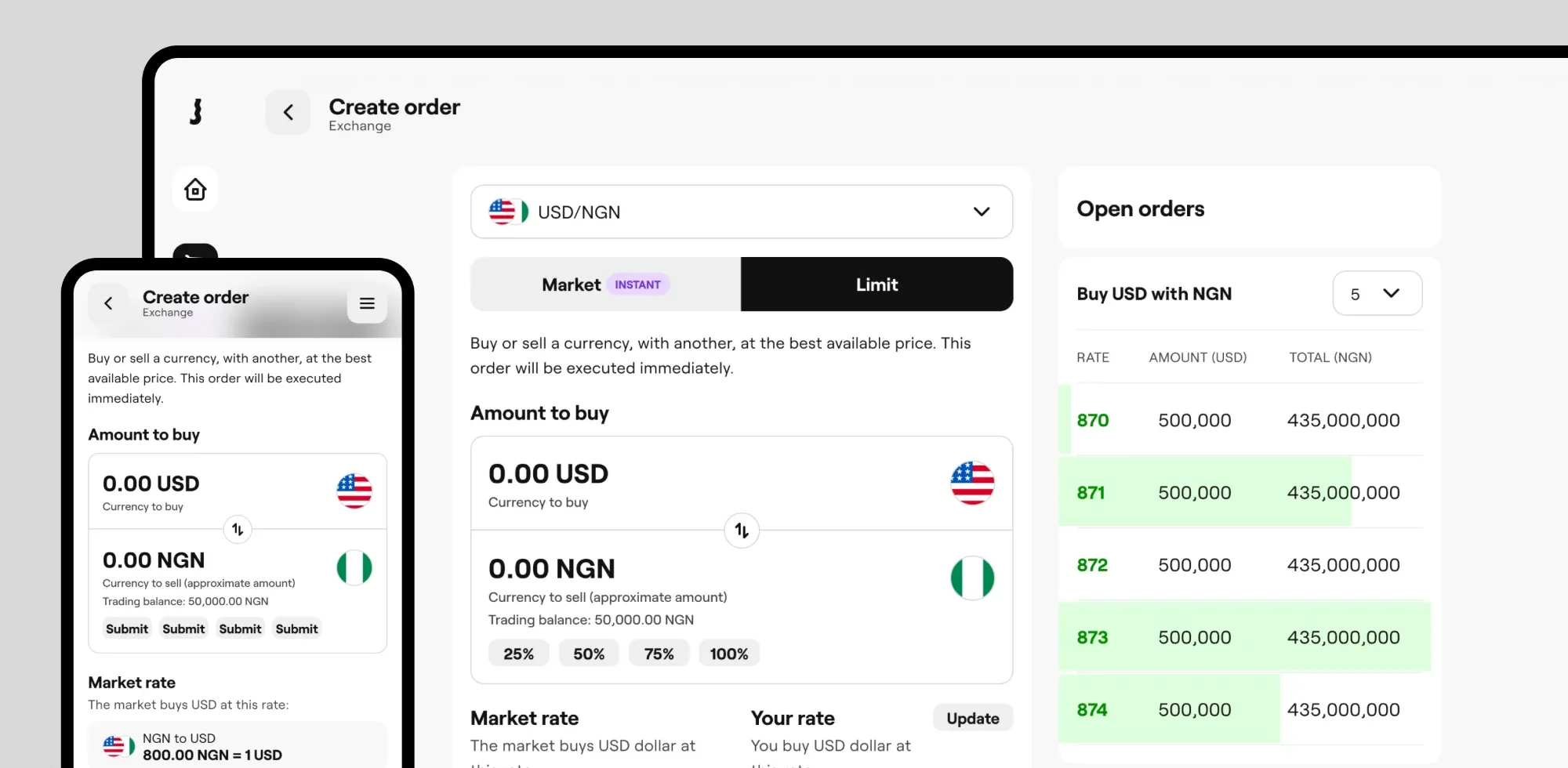
I built the foundation early and kept it evolving. Colours, typography, iconography, imagery tiers, and a component set that ranged from simple primitives to more complex compositions. Tokenisation stayed light.
Things were changing too rapidly to lock architecture, and premature abstraction would have cost more than it saved. But the core system stayed consistent enough that every product version pulled from the same substrate. Rebuild what you need, not what you might one day need.
product patterns that carried across pivots
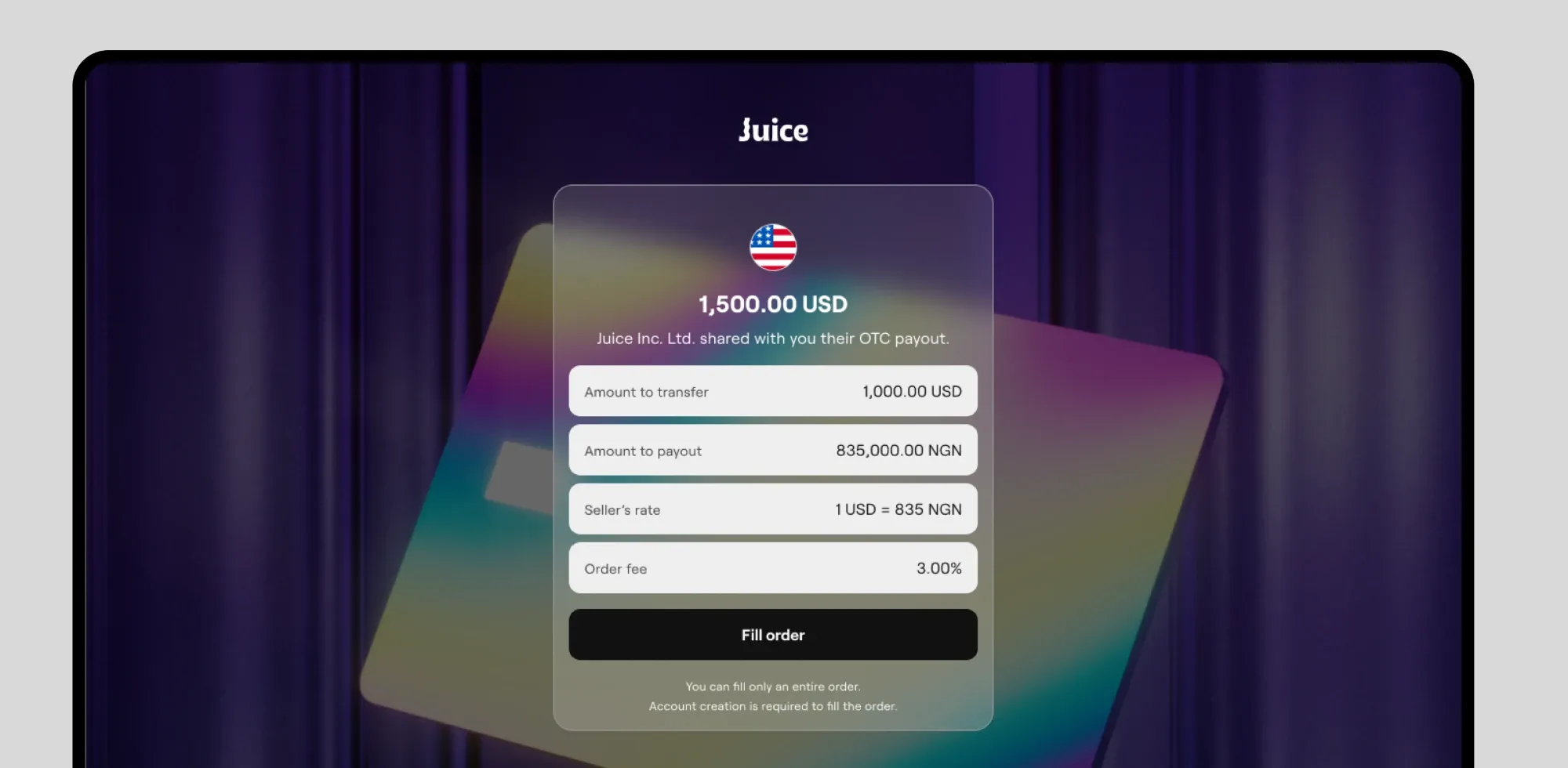
Main flows, the way things opened, the mechanics of interaction, all kept consistent even as the products themselves changed shape. A user coming from the ecommerce app to the delivery app to the money platform shouldn’t have to relearn what a “back” gesture does or how a bottom sheet reveals options. Those small consistencies compound into the sense that this is one company’s product family, not five different apps that happen to share a name.
building the design team as the company grew
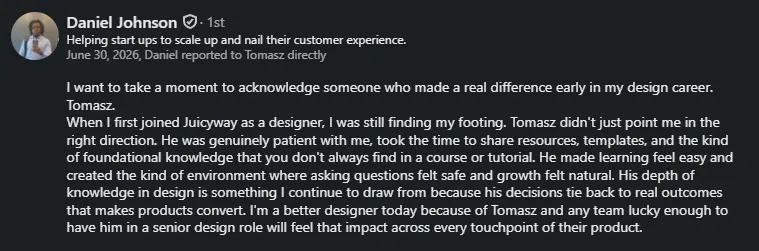
From sole designer to a small team including brand and motion designers, the shape of my role changed with them. Less direct hands-on execution on every screen, more direction-setting, more design review, more thinking about how the team’s work stayed coherent. Voice, tone, and brand were the CEO’s. The way that vision landed inside the product was mine to help translate.
being everywhere in the product process
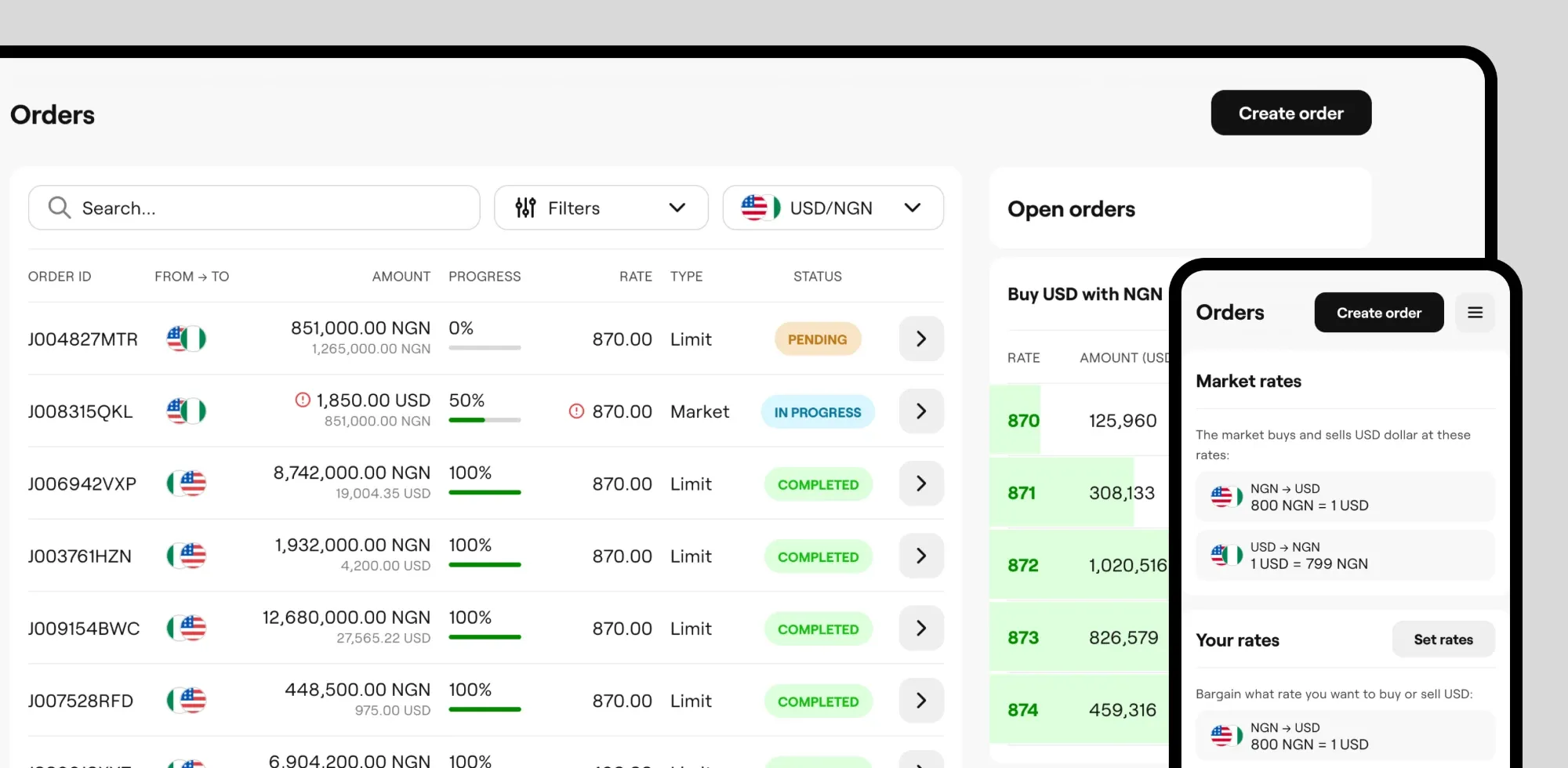
In a founding-team-sized company you don’t get to only be a designer. I was in backend standups, asking questions about what was possible and pushing on how things should work, and my UX and product decisions in turn shaped backend implementation.
That isn’t leadership language. It’s just how you work in a five-person startup. But it is a specific muscle: staying opinionated on design while being fluent enough in the rest of the stack to hold your ground in the conversation.
what shipped
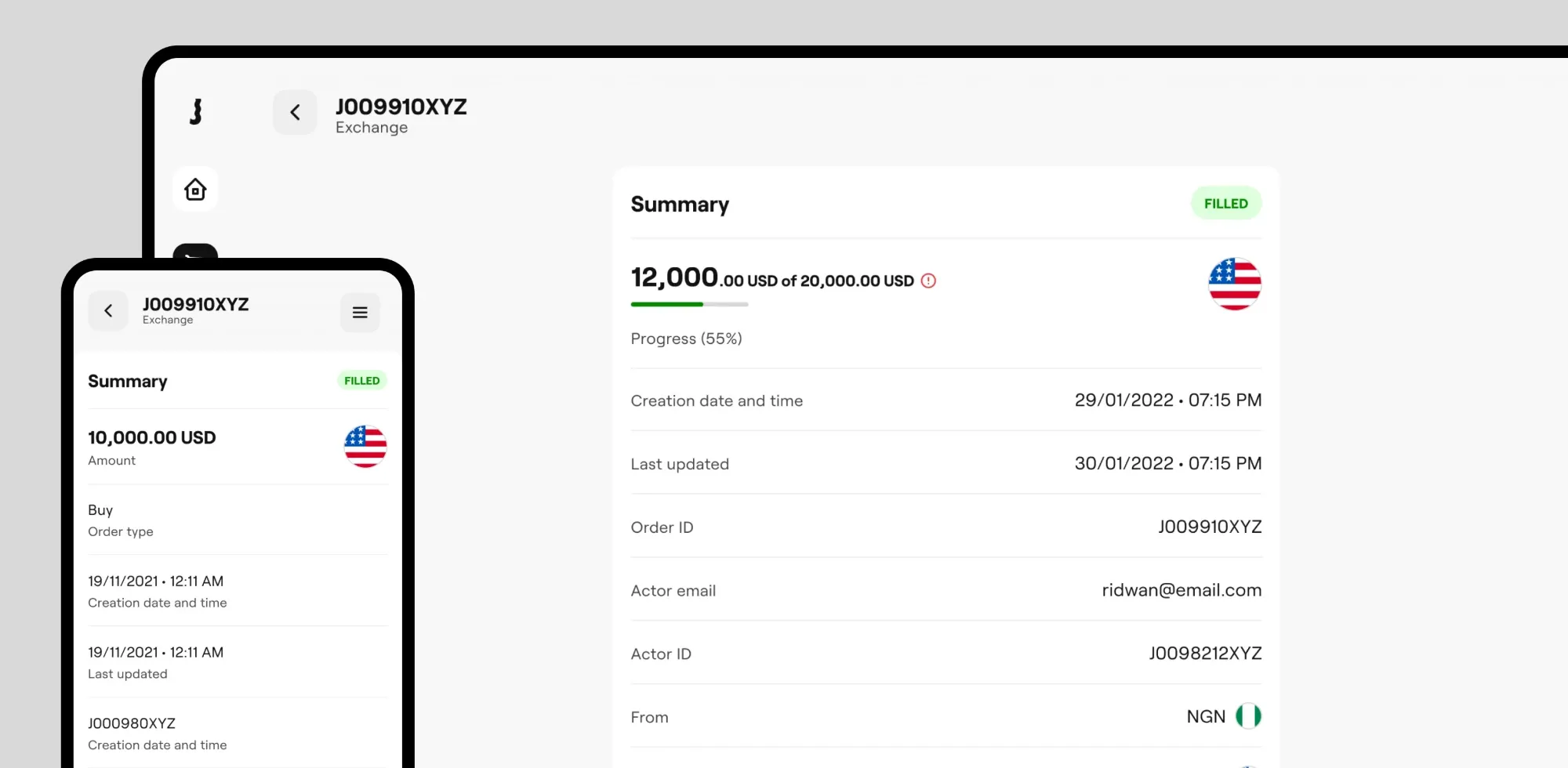
- Multiple product incarnations across two and a half years, each with its own coherent shape but pulling from the same design foundation.
- A design system that survived every pivot and became the substrate for what the company eventually became.
- A small design team built and directed as the company scaled, with brand and motion designers hired, curated, and kept in coherent direction.
- The company landed as Juicyway, a B2B multi-currency money platform whose current customer roster includes Bolt, Technogym, Nigerian Breweries, IHS, Geregu, and ILB. The current product isn’t primarily my work, since I ended my collaboration in February 2024, but the design foundation it stands on largely is.
Juicyway is live at juicyway.com and has kept moving since I stepped away in 2024. Happy to walk through the pivots or the design system in more detail.